Why children and grown-ups both stay to the end
Who This Museum Is For
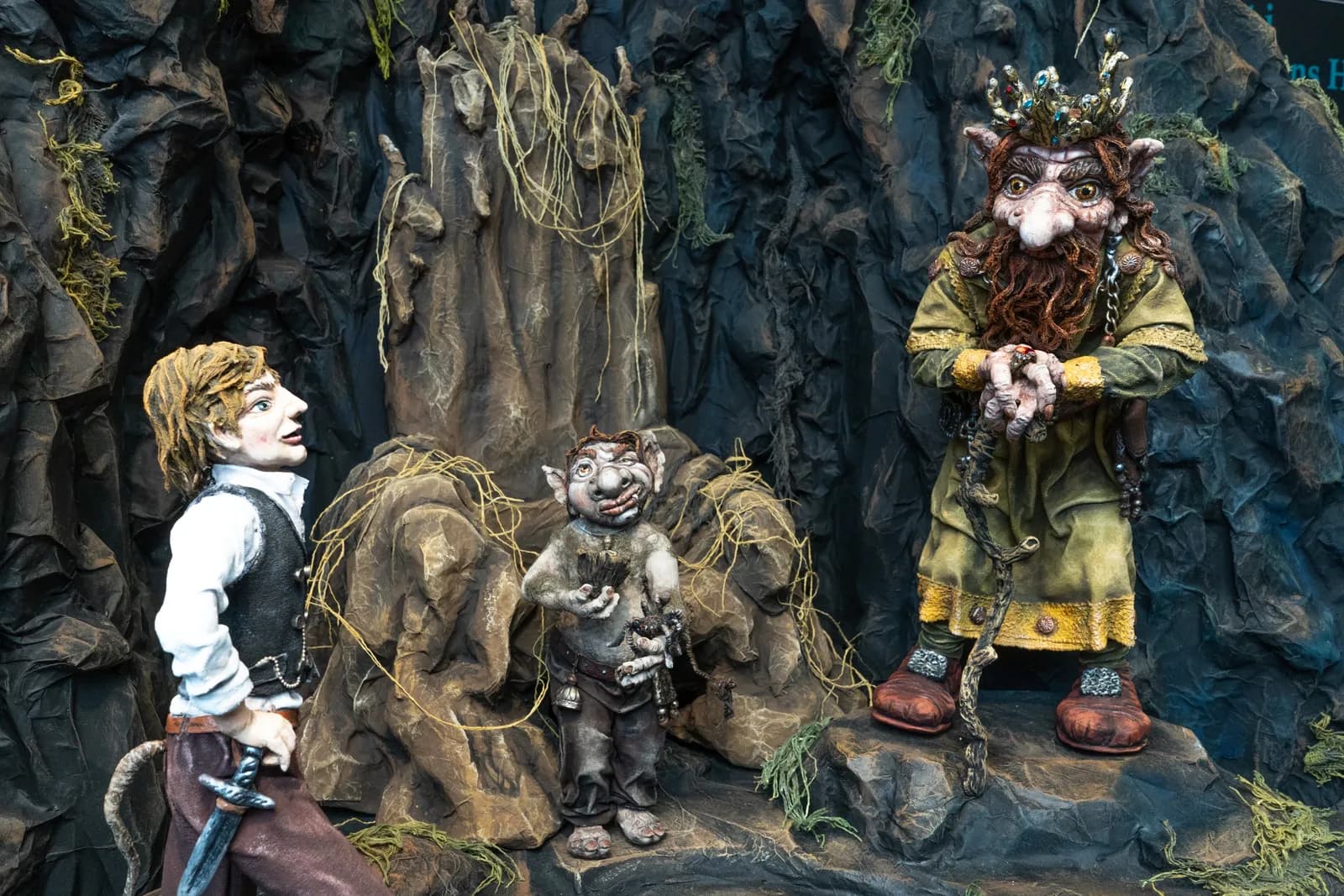
Most families know the museum compromise. Either the kids drag their feet while the adults read every label or the adults trail behind while the kids sprint for the one interactive corner. Here that split never really happens. This is the first museum in Norway devoted entirely to trolls and fairy tales, and it runs on two levels at once. Both of them stay open the whole way through.
Children come for the creatures. Life-size trolls loom over the gallery. A measuring wall lets you see exactly how small you are beside a mountain giant, and further along an old sitting troll waits for a hug, a lap-sit, or a photo, arranged however you like. Adults get the layer underneath. Every creature in the building rests on genuine folklore collected by real people.
Then comes the history nobody expects from a troll museum. The Sámi, indigenous people of the north, with their reindeer herding, their coastal communities and their modern city lives. The fishing villages that survived on the sea because thin soil and short summers gave so little. A coastline of 100,915 kilometres, the second longest in the world after Canada's. None of it feels bolted on. It arrives inside the stories, which is exactly how people learned it in the first place.
Small size turns out to be the museum's best trick. Nothing exhausts you. Nothing hurries you. Every corner rewards a visitor who slows down and looks twice. Children walk out grinning. Adults walk out thinking. Very often both say the same thing at the door: I had no idea.